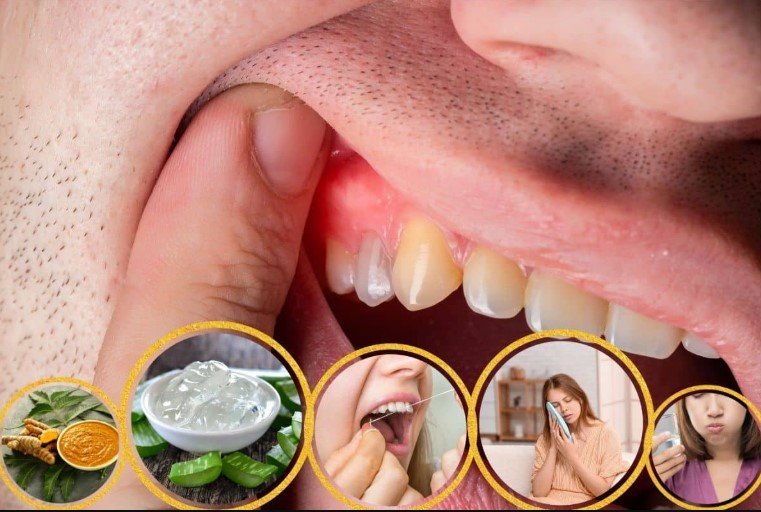
If you have started noticing that your teeth look longer than before, or one area feels sensitive when you drink something cold, you may be dealing with gum recession. It can feel worrying, especially because gums do not always “bounce back” on their own the way people hope. The good news is that smart home care for receding gums can still make a real difference. Good daily care can lower plaque, calm irritation, reduce sensitivity, and help slow further damage. What it cannot do is remove hardened tartar or fully fix advanced gum loss on its own.
That distinction matters. Mild gum irritation caused by plaque can often improve with better brushing and cleaning between the teeth, but ongoing recession, loose teeth, pus, bad breath that does not go away, or deep gum problems need a dentist’s help. Home care is the foundation, not the entire treatment plan.
Table of Contents
What Receding Gums Mean
Receding gums means the gum tissue has pulled away from the tooth, exposing more of the tooth or even part of the root. That exposed root can be harder to clean comfortably and may be more likely to develop sensitivity or decay. NIDCR notes that when gums pull away from teeth, exposed roots can decay as well. (NIDCR)
Gum recession is often linked to plaque buildup and gum disease, but it can also be made worse by brushing too hard or using a brush that is too abrasive. The ADA recommends soft-bristled toothbrushes because they reduce the risk of gum abrasion, and Mayo Clinic notes that overly abrasive brushing can contribute to gum recession. (ADA)
Common Causes of Gum Recession at Home
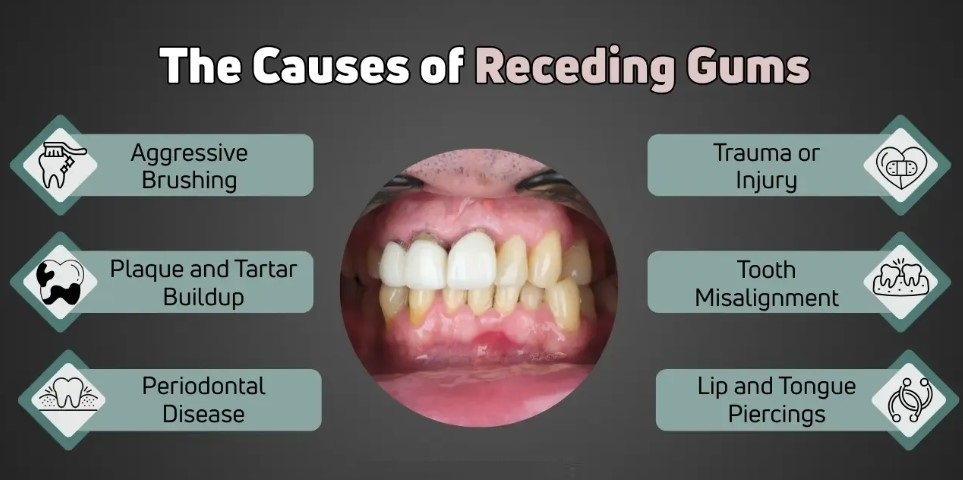
Before trying to fix the problem, it helps to understand what may be making it worse.
1. Brushing too hard
Many people think brushing harder means cleaning better. It does not. Hard pressure and rough technique can wear away gum tissue over time, especially near the gumline. Cleveland Clinic and ADA sources note that aggressive brushing and inappropriate bristle firmness can contribute to recession and tissue damage. (Cleveland Clinic)
2. Plaque and tartar buildup
Plaque is a sticky film of bacteria that constantly forms on teeth. If it is not removed, it can irritate the gums. It can also harden into tartar, which cannot be removed by ordinary brushing alone. ADA and NHS materials explain that plaque and tartar are central drivers of gingivitis and gum disease. (ADA)
3. Gum disease
Gingivitis is the early stage of gum disease and may be reversible with cleaning and good oral hygiene. But when inflammation progresses deeper, it can damage the attachment between teeth and gums and contribute to recession. (Cleveland Clinic)
4. Smoking and lifestyle factors
Smoking is another known risk factor. It affects healing and gum health and can make recession worse over time.
5. Genetics and anatomy
Some people simply have thinner gum tissue or are more prone to recession even when they take decent care of their teeth. That does not mean home care is pointless. It means consistency matters even more.
Best Home Care for Receding Gums

If your goal is to protect your gums naturally at home, focus on the basics first. These are the habits that actually make a difference.
Use a Soft-Bristled Toothbrush Every Day
A soft-bristled toothbrush is usually the better choice for irritated or receding gums. Cleveland Clinic advises using a soft brush and brushing at least twice a day with fluoride toothpaste. They also recommend angling the brush toward the gumline to sweep away bacteria gently.
Better brushing tips:
- Use light pressure, not scrubbing force
- Brush in gentle circular motions
- Spend extra attention near the gumline
- Do not “saw” the brush back and forth aggressively
- Replace the brush when bristles start to fray
When bristles bend outward, they clean less effectively and can be harsher on delicate gum tissue.
Clean Between Your Teeth Every Day
One of the biggest mistakes people make is brushing but not cleaning between the teeth. Plaque often hides in those tight spaces, and that can keep gum inflammation going. The ADA explains that plaque not removed can harden into tartar and make gum irritation worse.
Floss, interdental brushes, or water flossers may help depending on your teeth spacing and comfort level. The important thing is daily consistency. Gentle technique matters here too. You want to clean the area, not cut the gums.
Control Plaque Before It Controls Your Gums
If you remember only one thing from this article, remember this: plaque control is the center of good gum care. ADA guidance explains that gum disease starts with plaque, and once deeper pockets form, routine brushing alone may not be enough.
That is why effective home care for receding gums should always focus on:
- daily brushing
- daily interdental cleaning
- regular dental checkups
- avoiding habits that trigger further irritation
Watch for Early Warning Signs
Sometimes the mouth gives warning signs before recession gets worse. The NHS advises seeing a dentist if your gums bleed when you brush or eat hard foods, if your gums are painful and swollen, or if you have bad breath. Loose teeth or severe swelling can need urgent dental attention. (nhs.uk)
Signs you should not ignore:
- teeth looking longer
- root sensitivity
- bleeding during brushing
- swollen or red gums
- persistent bad breath
- spaces forming near the gumline
- loose teeth
These signs do not always mean severe disease, but they do mean your gums need more attention.
Remember That Tartar Is Not a Home Fix
This is a key point that many people miss. Plaque can be disrupted at home, but once it hardens into calculus or tartar, brushing and flossing cannot remove it. NIDCR states clearly that calculus must be removed by a dental professional. That means home care is essential, but it cannot replace a professional cleaning when hard deposits are already present.
If your gums bleed a lot, feel swollen, or you have rough buildup near the gumline, do not assume you just need to brush harder. In many cases, you need a cleaning first and then better home habits afterward.
Mouthwash Can Help, but It Is Not the Main Fix
Mouthwash can be useful for some people, especially when plaque and gingivitis are part of the picture, but it is not a substitute for brushing and cleaning between the teeth. The ADA says mouthrinse can be a helpful addition for some people and that therapeutic mouthrinses can help reduce plaque and gingivitis, but it specifically notes that mouthrinse is not a replacement for daily brushing and flossing.
That means mouthwash is best treated as a support step, not your whole plan. If your dentist recommends a specific rinse, use it as directed. If not, focus first on the basics that matter most every single day.
Natural Support Options for Receding Gums at Home
While improving brushing, flossing, and daily habits forms the foundation of home care for receding gums, some people look for additional support that targets the gumline more directly. This is where natural oral care products can fit into a routine.
For example, in many Nature’s Smile reviews, users mention that herbal formulas can complement daily care by focusing on the areas where bacteria tend to accumulate—especially along the gumline. Unlike traditional products that are quickly rinsed away, a gum balm is typically applied directly to the gums, allowing the ingredients to stay in contact with the tissue for longer.
Nature’s Smile uses plant-based ingredients traditionally known for their soothing and antibacterial properties. These types of formulas are often used as a supportive step alongside brushing and flossing, not as a replacement. The goal is simple: help maintain a balanced oral environment while supporting gum comfort and overall gum health.
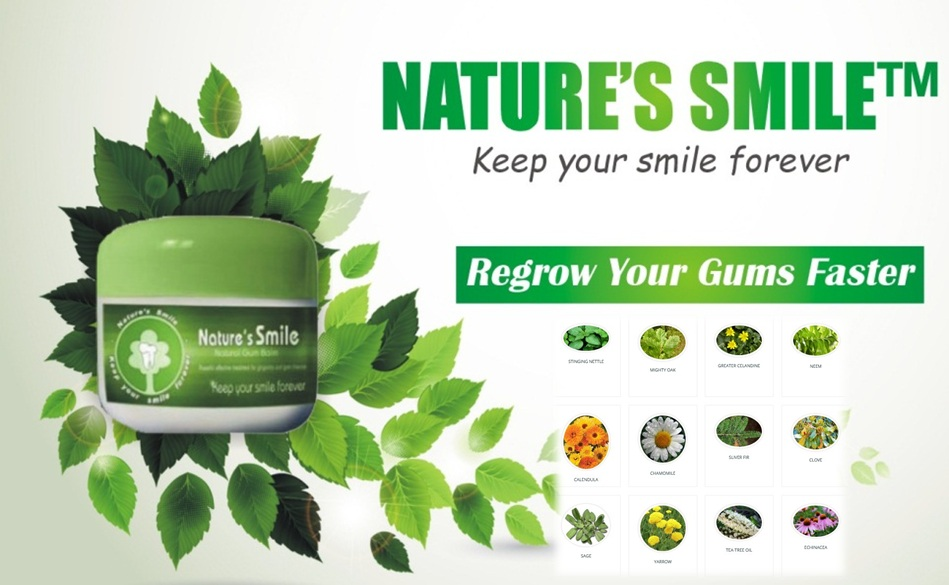
Of course, no product replaces proper dental care. But when combined with gentle brushing, daily cleaning between teeth, and regular dental visits, adding a targeted natural option can be a practical way to strengthen your overall home care routine.
Habits That Can Make Receding Gums Worse
Sometimes improvement starts with stopping the wrong habits.
Avoid these common mistakes:
- using a hard-bristled toothbrush
- brushing too fast or too hard
- skipping flossing for days at a time
- ignoring bleeding gums
- delaying dental cleanings when tartar is present
- smoking
- assuming sensitivity is “normal aging”
Even early gum disease can often be improved with timely cleaning and better home care, but waiting too long raises the risk of deeper damage.
Be Careful With Sensitivity and Food Choices
When gums recede, exposed roots can make cold drinks, sweets, or acidic foods feel sharper than before. NIDCR notes that exposed roots are at risk for decay, so it makes sense to be more thoughtful with sugary drinks and constant snacking. Frequent sugar and acid exposure can make already sensitive areas harder to manage.
You do not need a perfect diet to help your gums. A practical step is to make water your default drink between meals and reduce frequent sugary or acidic sipping. This lowers how often sensitive root areas are challenged during the day.
Also Read: Foods That Support Collagen for Gums: What to Eat for Stronger, Healthier Gum Tissue
A Simple Home Routine That Actually Helps
A good at-home routine for gum recession does not need to be complicated. In fact, the simpler it is, the more likely you are to stick with it.
In the morning, brush gently for two minutes with a soft toothbrush and fluoride toothpaste. Later in the day, clean between your teeth with floss, interdental brushes, or another tool your dentist recommends. At night, brush again carefully, especially along the gumline. If your dentist has suggested a therapeutic mouthrinse, use it as directed. Keep up with regular dental cleanings, because the parts you cannot remove at home still matter.
This kind of routine is simple, but it covers the main things that support gum health: plaque control, gentle technique, and consistency.
When to See a Dentist Instead of Waiting

Some signs should push you past home care and toward a dental visit. Receding gums that keep worsening, bleeding that does not settle, persistent bad breath, pus, loose teeth, painful chewing, or new gaps between teeth can point to periodontitis or another issue that needs professional care. Mayo Clinic and NIDCR both describe these as warning signs of more serious gum disease.
It is also worth booking an appointment if one tooth suddenly becomes very sensitive, the exposed root looks darker, or cleaning the area feels difficult or painful. These are the situations where home care alone may not be enough, and early treatment usually gives you better odds of stabilizing the area.
Final Thoughts
The best home care for receding gums is not about harsh scrubbing or trying random products. It is about gentle, steady plaque control and habits that protect the gumline. Brush twice a day with fluoride toothpaste, use a soft toothbrush, clean between your teeth every day, and treat mouthwash as a helper rather than a substitute. Just as important, do not ignore the bigger picture: smoking, uncontrolled plaque, tartar buildup, and untreated gum disease can keep recession moving in the wrong direction.