

Many people drink soda every day without thinking much about what it does to their teeth. The problem is that soda is one of the worst drinks for oral health. It usually contains a lot of sugar, strong acids, or both. That combination can weaken enamel and increase the risk of tooth decay.
If you are looking for drinks better for teeth than soda, the good news is that there are plenty of better options. Some are simple, low-cost, and easy to add to your daily routine. Small changes in what you drink can make a real difference over time.
This guide explains which drinks are better choices, why soda is harmful, and how to make smarter swaps without giving up flavor completely.
Table of Contents
Why Soda Is Bad for Teeth
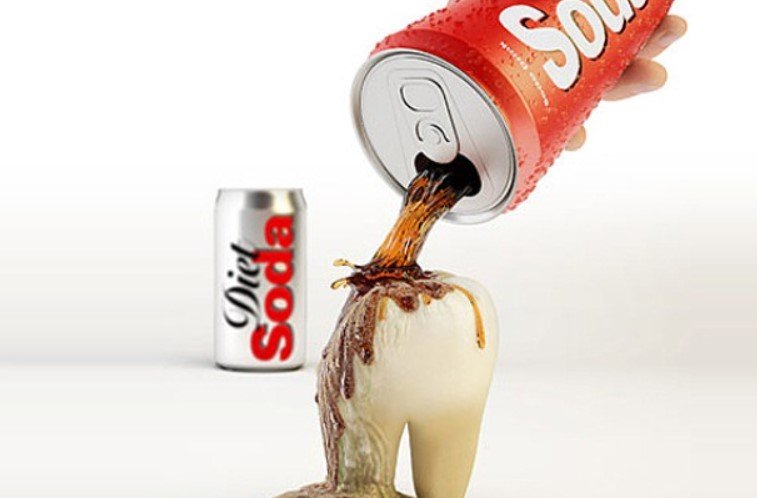
To understand why other drinks are better, it helps to know what soda does in the mouth.
Soda harms teeth in two main ways.
Sugar Feeds Harmful Bacteria
Regular soda contains a high amount of sugar. Bacteria in the mouth feed on that sugar and produce acids. These acids attack tooth enamel and can lead to cavities.
Acid Wears Down Enamel
Even sugar-free soda is still acidic. Acid can slowly wear away enamel, which is the hard outer layer of the teeth. Once enamel is lost, it does not grow back.
That means both regular soda and diet soda can be rough on teeth. One causes problems with sugar and acid. The other still causes problems with acid.
What Makes a Drink Better for Teeth Than Soda
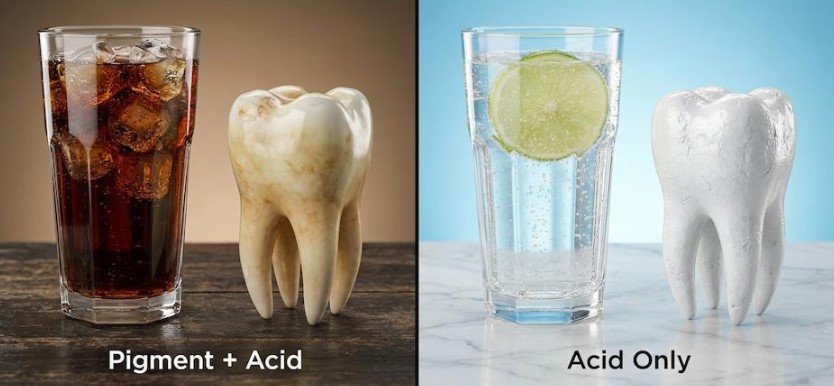
A drink is usually better for teeth when it has these qualities:
Low or No Added Sugar
The less sugar a drink has, the less fuel it gives to bacteria that cause tooth decay.
Low Acidity
A less acidic drink is gentler on enamel. This helps reduce erosion and sensitivity.
Does Not Leave Sticky Residue
Some drinks coat the teeth or stay in the mouth longer. Better drinks tend to rinse away more easily.
Supports Hydration
When you stay hydrated, your mouth produces saliva more effectively. Saliva helps wash away food particles and supports a healthier mouth environment.
Best Drinks Better for Teeth Than Soda

Here are some of the best alternatives to soda if you want to protect your teeth.
1. Plain Water
Plain water is the best drink for teeth. It has no sugar and no acid, and it helps rinse the mouth after eating or drinking. Water is also easy to drink throughout the day. Unlike soda, it does not feed harmful bacteria or increase acid exposure.
If you want the easiest and most effective replacement for soda, start with water.
Why Water Is a Strong Choice
- No sugar
- No acid
- Helps rinse the mouth
- Supports saliva production
- Easy to drink every day
For most people, switching from soda to water is the best first step.
2. Fluoridated Tap Water
Fluoridated tap water is even better because it can help strengthen teeth while keeping you hydrated.
Fluoride is known for helping protect enamel and lowering the risk of cavities. That makes fluoridated water one of the most practical and tooth-friendly drinks available.
It is also affordable and easy to access in many places. If your local tap water contains fluoride, it is one of the smartest drink choices you can make for oral health.
3. Plain Milk
Plain milk is another drink that is better for teeth than soda. It is not as acidic as soft drinks, and it does not hit the teeth in the same harsh way.
Milk can be a good option with meals or as part of breakfast. It is usually more filling than soda and feels like a real beverage replacement instead of just a health swap.
The key here is plain milk. Flavored milk or milk drinks with added sugar are not the same.
Best Way to Drink Milk for Teeth
- Choose unsweetened plain milk
- Avoid sipping it for long periods
- Drink it with meals when possible
4. Unsweetened Tea
Unsweetened tea is a better choice than soda for many people. It gives you more taste than water and avoids the high sugar content found in soft drinks.
Tea can work well hot or cold. Many people replace soda with black tea or green tea because it feels more satisfying than plain water.
The important thing is to avoid adding sugar, sweet syrups, or sugary creamers. Once tea becomes heavily sweetened, it loses much of its benefit.
Good Tea Options
- Unsweetened black tea
- Unsweetened green tea
- Light herbal tea without sugar
5. Unsweetened Coffee
Unsweetened coffee can also be better for teeth than soda, especially for adults who want a flavored drink without large amounts of sugar.
A plain cup of coffee is very different from a sweet coffeehouse drink. Many specialty coffee drinks contain flavored syrups, whipped toppings, and lots of added sugar. Those can be almost as bad as soda.
If you drink coffee, keeping it simple makes a big difference.
Better Coffee Choices
- Black coffee
- Coffee with minimal unsweetened milk
- No sugary syrup
- No dessert-style toppings
6. Coconut Water in Moderation
Coconut water is often viewed as a better option than soda because it is usually less processed and not carbonated. Some versions contain less sugar than soda, but many packaged types still have added sugar.
This is why labels matter. Unsweetened coconut water may be better than soda, but it is still not as safe for teeth as plain water.
Use it as an occasional drink, not your main daily beverage.
7. Diluted Smooth Drinks Without Added Sugar
Some people want a drink with more taste but less damage to teeth. In that case, a lightly diluted drink without added sugar may be better than soda.
Still, these drinks should not replace water as your main choice. Even natural drinks can contain sugar or acidity, so moderation matters.
This category is more about making a better swap than finding a perfect drink.
Drinks That Sound Healthy but May Still Hurt Teeth
Not every drink marketed as healthy is good for oral health. Some look better than soda on the label but still cause problems.
Fruit Juice
Fruit juice may come from real fruit, but it can still contain a lot of sugar and natural acids. Many people drink juice thinking it is harmless, but frequent juice drinking can still be hard on teeth.
Whole fruit is usually a better option than juice because it does not expose the teeth in the same way.
Sports Drinks
Sports drinks are often marketed for energy and hydration, but many contain sugar and acids. This makes them a poor everyday choice for teeth.
Unless someone truly needs them for specific exercise needs, they are usually not a better daily option than water.
Energy Drinks
Energy drinks are often among the worst beverages for teeth. They tend to be both acidic and sugary. Some also encourage sipping over time, which increases tooth exposure.
Diet Soda
Diet soda is often seen as a safe alternative, but it still contains acids that can wear away enamel. It may be better than regular soda in one way, but it is still not a good choice for daily tooth protection.
How You Drink Matters Too
Even a better drink can become less tooth-friendly if you consume it the wrong way.
Do Not Sip All Day
Slow sipping keeps teeth exposed for longer. It is better to finish a drink in one sitting than to nurse it for hours.
Choose Water Between Meals
Using water as your go-to drink between meals lowers your daily acid and sugar exposure.
Rinse With Water After Sweet or Acidic Drinks
If you do drink something acidic or sweet, follow it with water. This can help reduce how long the drink stays in contact with your teeth.
Avoid Drinking Soda Before Bed
Drinking soda at night can be worse because saliva flow drops during sleep. That leaves the mouth with less natural protection.
Also Read: Foods That Support Collagen for Gums: What to Eat for Stronger, Healthier Gum Tissue
Simple Drink Swaps That Help
If you are used to drinking soda every day, you do not need to change everything at once. Start with small swaps.
Easy Upgrades
- Replace one soda a day with plain water
- Choose unsweetened tea at lunch
- Drink plain milk with breakfast
- Keep a water bottle nearby
- Cut back on soda during work hours
- Save soda for rare occasions instead of daily use
Small changes are easier to stick with. Over time, these changes can reduce sugar intake and lower stress on your teeth.
Best Daily Routine for Healthier Teeth
If your goal is better oral health, a simple routine works best.
- Morning: Start with water instead of soda or an acidic energy drink.
- With Meals: Choose plain milk, water, or unsweetened tea.
- Between Meals: Drink water most of the time.
- Special Treats: Keep soda, juice, and sports drinks as occasional choices, not daily habits.
This kind of routine is practical and realistic. It does not require expensive products or hard rules.
Which Drink Is the Best Overall?

If you want one clear answer, plain water is the best drink for teeth. Fluoridated tap water is even better when available.
After water, plain milk and unsweetened tea or coffee are usually much better choices than soda.
If you are trying to protect enamel, reduce cavity risk, and make smarter drink choices, these are the safest options to build your routine around.
- American Dental Association
- Centers for Disease Control and Prevention
- National Institute of Dental and Craniofacial Research
- Mayo Clinic
- NHS
These sources offer reliable guidance on dental care, nutrition, cavities, and enamel protection.
Final Thoughts
Choosing drinks better for teeth than soda is one of the easiest ways to improve your oral health. Soda is harsh on teeth because it combines sugar and acid, and even sugar-free versions can still wear down enamel.
The best replacements are simple. Water should be the main choice. Fluoridated tap water offers added benefits. Plain milk, unsweetened tea, and unsweetened coffee are also better options than soda for many people.
You do not need to make a perfect change overnight. Start by replacing one soda a day with a tooth-friendlier drink. That one habit can help protect your smile over time.
