
Imagine brushing your teeth one morning and noticing a little blood in the sink. At first, it might seem harmless. But bleeding gums are often the first warning sign that your gums are struggling.
Here’s the surprising part:
Sometimes the solution isn’t just in your toothbrush — it’s on your plate.
One of the most important nutrients for gum health is vitamin C. This powerful antioxidant helps your body repair tissues, fight inflammation, and keep your gums strong and resilient. In fact, before modern dentistry existed, sailors who lacked vitamin C developed scurvy, a condition that caused severe gum bleeding and tooth loss.
Today, the good news is simple:
Adding vitamin C foods for gum health to your diet can significantly improve your oral wellness. In this guide, you’ll discover the best vitamin C foods for gum health, how they work, and how to add them to your daily routine.
Table of Contents
Why Vitamin C Foods for Gum Health Are So Important
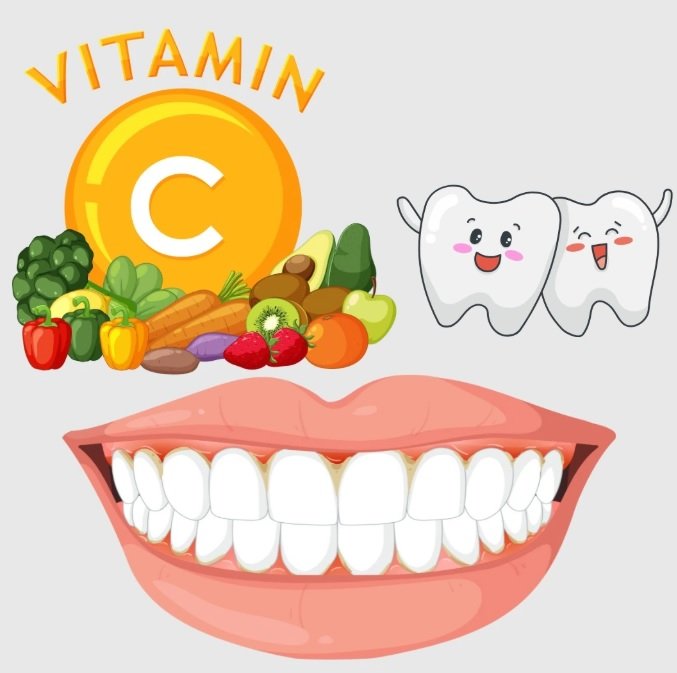
Your gums are made of soft connective tissue, which means they constantly need nutrients to repair and stay strong.
Vitamin C plays three critical roles:
1. Strengthens Gum Tissue
Vitamin C helps your body produce collagen, the protein that keeps gums firm and attached to teeth.
Without enough collagen, gums can become weak, swollen, and prone to recession.
2. Fights Gum Inflammation
Gum disease often starts with inflammation caused by bacteria.
Vitamin C works as a powerful antioxidant that helps your body fight infection and reduce swelling in gum tissue.
3. Helps Prevent Bleeding Gums
A deficiency in vitamin C is strongly linked to bleeding gums and gum disease. Increasing vitamin C intake can help gums heal faster and resist bacterial damage.
Think of vitamin C as the repair crew for your gums, constantly fixing small damage before it turns into a serious problem.
Signs Your Gums May Need More Vitamin C
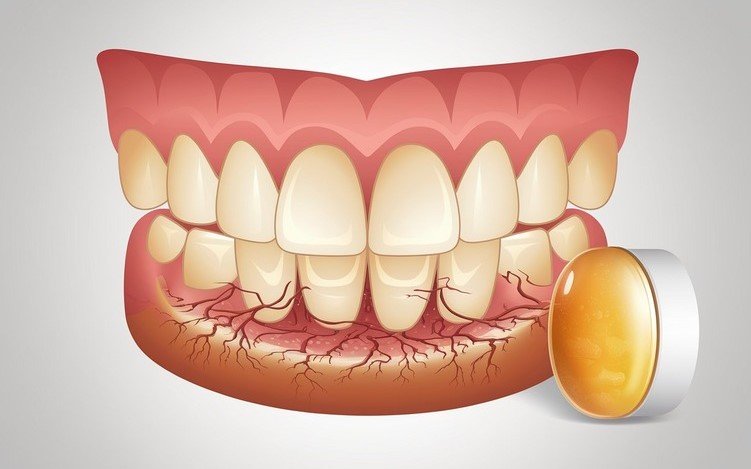
Your body often sends warning signals when it lacks important nutrients.
Common symptoms of low vitamin C include:
- Bleeding gums when brushing
- Swollen or tender gums
- Gum recession
- Slow healing of mouth sores
- Loose teeth in severe cases
- Persistent bad breath
If these symptoms sound familiar, your diet may be missing key vitamin C foods for gum health.
Best Vitamin C Foods for Gum Health
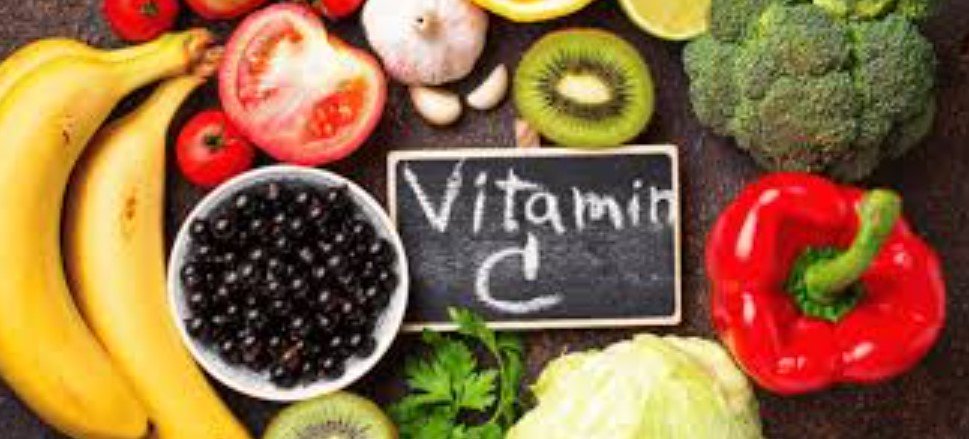
Now let’s explore the foods that can help naturally strengthen your gums and improve oral health.
Citrus Fruits: The Classic Vitamin C Powerhouse
Citrus fruits are among the most well-known vitamin C foods for gum health. They are loaded with antioxidants that help fight bacteria and reduce gum inflammation.
Best citrus options include:
- Oranges
- Lemons
- Grapefruit
- Tangerines
- Limes
Just one orange can provide over 90% of your daily vitamin C requirement. A simple habit like starting your morning with fresh orange slices or lemon water can support both your immune system and your gums.
Strawberries: A Sweet Superfood for Gum Strength
Strawberries are surprisingly rich in vitamin C — even more than oranges gram for gram.
These bright red berries contain powerful compounds that help:
- Reduce gum inflammation
- Fight harmful oral bacteria
- Strengthen connective tissue
They also contain malic acid, which may naturally help whiten teeth. Adding strawberries to smoothies, oatmeal, or yogurt is a delicious way to boost gum health.
Kiwi: A Small Fruit with Massive Vitamin C
Kiwi is often overlooked, but it is one of the most concentrated vitamin C foods for gum health.
A single kiwi contains:
- More vitamin C than an orange.
- Kiwi also provides fiber and antioxidants that support overall health.
- Eating kiwi regularly can help your body repair damaged gum tissue faster.
Bell Peppers: A Hidden Vitamin C Champion
Many people don’t realize that bell peppers contain even more vitamin C than citrus fruits. Red bell peppers are particularly powerful.
Benefits for gum health include:
- Reducing gum inflammation
- Strengthening connective tissues
- Supporting immune defense against oral bacteria
They also contain vitamin A and antioxidants that help protect the mouth.
Try adding sliced bell peppers to:
- Salads
- Stir-fries
- Healthy wraps
Broccoli: A Gum-Protecting Green Vegetable
Broccoli is another excellent addition to a gum-friendly diet.
It contains:
- Vitamin C
- Calcium
- Fiber
- Anti-inflammatory compounds
Broccoli helps strengthen the tissues that hold teeth in place while supporting overall oral health. Eating lightly steamed broccoli preserves its vitamin C content while making it easier to digest.
Pineapple: A Natural Anti-Inflammatory Fruit
Pineapple provides vitamin C along with a unique enzyme called bromelain. Bromelain helps reduce inflammation and may support healing in gum tissues.
Pineapple may also help:
- Break down harmful plaque proteins
- Support immune health
- Promote tissue repair
Fresh pineapple is best, as canned varieties often contain added sugar.
Papaya: A Tropical Boost for Healthy Gums
Papaya is another vitamin C-rich fruit that supports natural gum healing.
It contains:
- Vitamin C
- Vitamin A
- Digestive enzymes
These nutrients help reduce inflammation and support healthy tissue repair. Papaya smoothies or fruit bowls make an easy addition to a gum-friendly diet.
Also Read: Anti-Inflammatory Smoothies for Gum Health, A Smarter Way to Support Your Gums
How Vitamin C Foods Help Prevent Gum Disease
Gum disease typically develops in stages. It often begins as gingivitis, where gums become swollen, red, and prone to bleeding. Without proper care, gingivitis can progress into periodontitis, a more serious condition that damages the tissues supporting teeth.
Vitamin C foods help prevent this progression by:
- Strengthening the gums
- Reducing bacterial inflammation
- Supporting immune defenses in the mouth
- Improving tissue repair
In simple terms, vitamin C acts like a shield protecting your gums from damage.
How Much Vitamin C Do You Need for Healthy Gums?
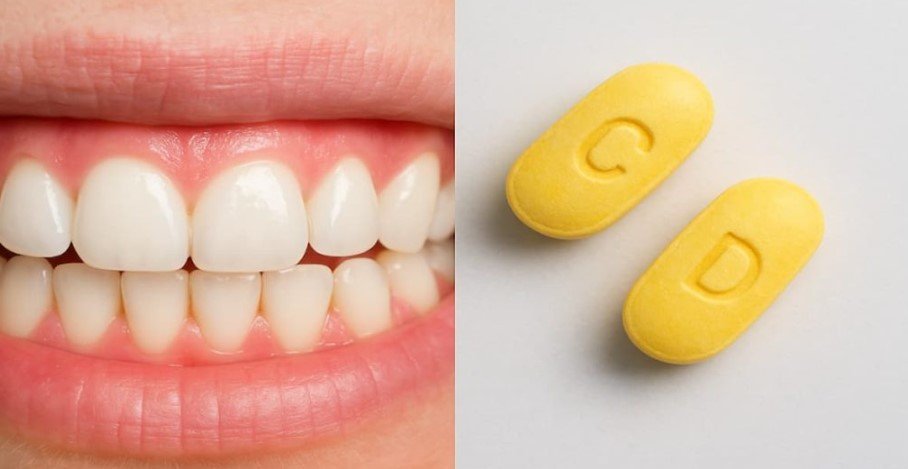
The recommended daily intake of vitamin C is approximately:
- 90 mg per day for men
- 75 mg per day for women
However, people with gum issues may benefit from slightly higher intake through food sources. Eating a variety of fruits and vegetables can easily meet these requirements.
For example:
- 1 orange = ~90 mg vitamin C
- 1 cup strawberries = ~85 mg
- 1 red bell pepper = ~150 mg
Just a few servings of these foods daily can significantly improve your vitamin C intake and gum health.
Simple Ways to Add More Vitamin C Foods to Your Diet
Improving gum health doesn’t require a complicated diet. Small daily habits can make a big difference.
Here are simple ideas:
- Morning Boost: Add citrus fruit or kiwi to breakfast.
- Smoothie Power: Blend strawberries, spinach, and pineapple into a vitamin C smoothie.
- Healthy Snacks: Eat bell pepper slices with hummus.
- Fresh Salads: Add broccoli, tomatoes, and citrus dressing.
- Hydration Upgrade: Drink lemon-infused water.
These small steps help your body consistently receive the nutrients needed to repair gum tissue.
Lifestyle Habits That Support Gum Health
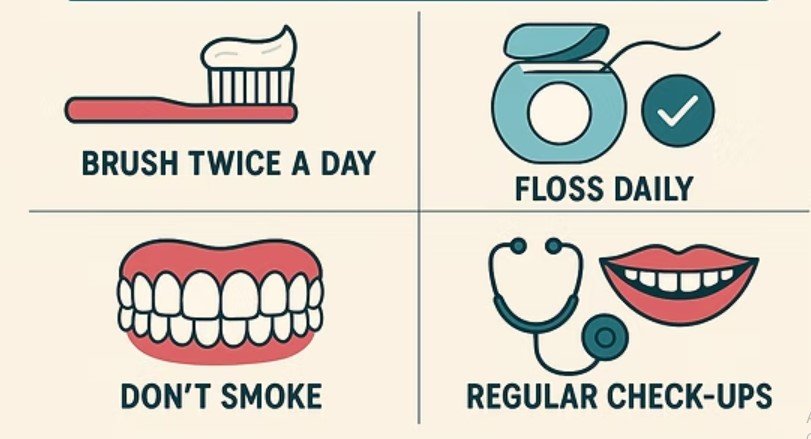
Vitamin C foods work best when combined with healthy habits.
For optimal gum health:
- Brush twice daily
- Floss regularly
- Drink plenty of water
- Limit sugary snacks
- Avoid smoking
- Eat a balanced diet rich in nutrients
These practices create a strong foundation for long-term oral health.
When Diet Alone May Not Be Enough
While vitamin C foods for gum health are powerful, some people already have advanced gum damage or recession.
In these cases, diet should be combined with targeted natural oral care solutions designed to support gum tissue and reduce harmful bacteria.
Natural herbal formulas can help address underlying gum issues while supporting the healing process.
Referral Links:
https://ods.od.nih.gov/factsheets/VitaminC-Consumer/
https://www.hsph.harvard.edu/nutritionsource/vitamin-c/
https://www.nidcr.nih.gov/health-info/gum-disease
https://www.cdc.gov/oralhealth/conditions/index.html
https://www.healthline.com/nutrition/vitamin-c-foods
Final Thoughts: Strengthen Your Gums from the Inside Out
Your gums are more than just the pink tissue around your teeth — they are the foundation of your entire smile. And like any foundation, they need the right nutrients to stay strong.
Vitamin C foods for gum health provide your body with the tools it needs to:
- Repair damaged tissue
- Fight inflammation
- Protect against gum disease
- Support long-term oral wellness
Think of these foods as daily reinforcements for your gums, helping them stay resilient against bacteria and damage.
Take the Next Step for Healthier Gums
If you’re already improving your diet with vitamin C foods for gum health, you’re on the right path.
But if you’re dealing with receding gums, persistent bleeding, or gum sensitivity, combining a nutrient-rich diet with targeted natural oral care solutions may help accelerate healing and protect your smile.
Discover how a plant-based gum care formula designed to support gum repair and oral health
